
Pular para o conteúdo

Cultura física

Este conteúdo não está disponível em sua língua ainda.

Requisitos

1. List ten benefits of being physically fit.

2. Know how the following help to achieve a balance for your body:

  • a. Exercise
  • b. Proper eating
  • c. Emotional stability

3. Define the following exercises:

  • a. Isometric:
  • b. Isotonic:
  • c. Isokinetic:
  • d. Anaerobic:
  • e. Aerobic:

4. Know the meaning of the principles involved in the following exercise program:

  • a. Warm up
  • b. Aerobic exercises
  • c. Cool down
  • d. Calisthenics

5. Know how to determine your heart rate at rest and after exercise.

6. Know how to determine the minimum rate at which your heart should be beating to obtain the best aerobic conditioning effect.

7. Using the four steps given in requirement 4, do a regular exercise program at least four times a week for three months. For each exercise period, maintain the minimum heart rate determined in requirement 6 for a period of at least 20 minutes. Keep a chart of the following:

  • a. Type of warm-up exercises performed
  • b. Type of aerobic exercises performed
  • c. How long aerobic exercises were performed
  • d. Type of calisthenics performed

Respostas e recursos

Mestrados

Esta especialidade conta para:

Investidura de Classes

Esta especialidade é obrigatória, sugerida ou opcional em:

Histórico da insígnia

Modelos anteriores desta insígnia. Veja todas as insígnias desatualizadas.

Insígnia antiga de Physical Culture

Physical Culture

Mudou em 1962

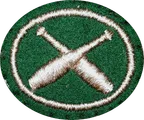
The patch depicts a pair of clubs or meels that are a type of exercise equipment used for developing strength. The wooden clubs are of varying sizes and weights, which were swung in certain patterns as part of a carefully choreographed routine and in unison by a group of exercisers, led by an instructor in front, similar to modern aerobics classes. Clubs ranged from a few pounds to fifty pounds. Physical Culture was changed to Physical Fitness in 1963.

Veja também

Encontrou um erro? Informe-nos.